Ibuprofen tablets

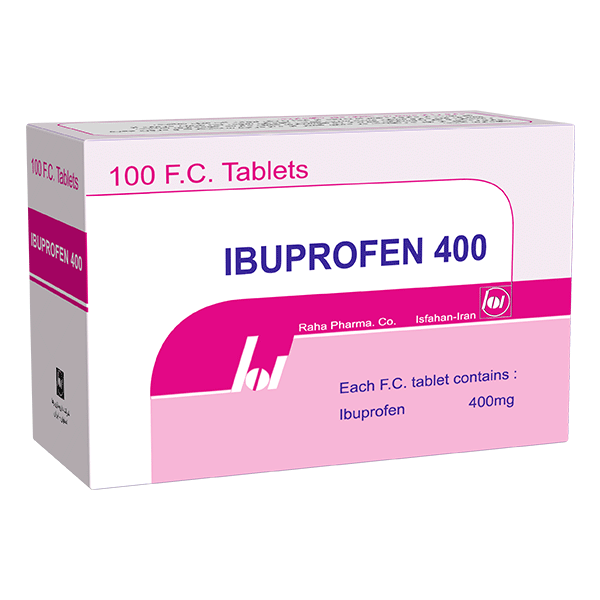
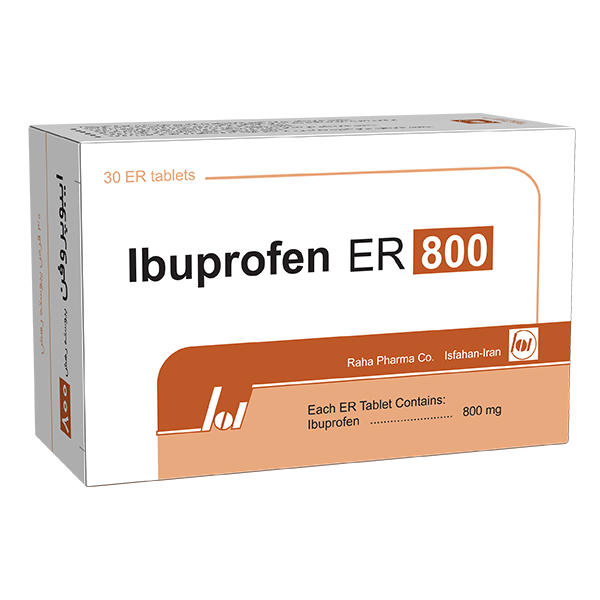
  • Dosage form: oral tablet
  • Product dosages : 400 mg coated tablet and 800 mg sustained-release tablet
  • Ingredients :  Each 400 and 800 mg tablet contains 400 and 800 mg of ibuprofen, respectively.
  • Therapeutic class : Nonsteroidal anti-inflammatory drug (NSAID)
  • Product code in the electronic prescription system (RXcode): 61731 / 69052
  • For more information, read the product catalog.

Dose 400:

Painkillers and anti-inflammatories, rheumatic painkillers, types of arthritis (including juvenile arthritis), muscle pain, mild to moderate pain such as menstrual cramps, migraines, toothaches, fever, pain and fever after immunization (vaccination), pain after surgery.


Dose 800:

  • Analgesic and anti-inflammatory effect in the treatment of skeletal inflammatory diseases such as rheumatoid arthritis, spinal rheumatism, osteoarthritis and non-rheumatoid arthropathy.
  • Treatment of periarticular conditions such as frozen shoulder, bursitis, tendonitis, tenosynovitis, lower back pain.
  • Treating soft tissue injuries such as sprains and strains
  • Improving mild to moderate pain in conditions such as menstrual syndrome, toothache, post-surgical pain, and types of headaches such as migraines.


The dosage is determined by the doctor.

Take the medicine with food and a full glass of water.

Swallow the tablet whole and avoid chewing or crushing it.

Children under 12 years of age: The 800 mg dose of this medication is not recommended for this age group.


Along with its desired therapeutic effects, any medication may cause some unwanted side effects. Although not all of these side effects will occur, they may require medical attention if they occur.

Gastrointestinal complications: gastric ulcer, gastrointestinal bleeding, perforation, diarrhea, vomiting, nausea, constipation, dyspepsia, abdominal pain, colitis, Crohn’s disease, duodenal ulcer, bloating.

Allergic reactions: Non-specific hypersensitivity and anaphylactic symptoms, respiratory tract allergic reactions such as asthma and bronchospasm, skin allergic reactions such as rash and purpura.

Cardiovascular complications: Swelling, increased blood pressure, and heart failure have been reported with nonsteroidal anti-inflammatory drugs, especially at high doses.

Infectious complications: rhinitis and aseptic meningitis (especially in patients with autoimmune diseases, such as lupus erythematosus). Also, in some infectious diseases, this drug may worsen inflammatory conditions, in which case you should see a doctor immediately.

Other common side effects: headache, dizziness, and fatigue.

Raha Pharmaceutical Company packages and markets ibuprofen tablets in blister packs and boxes of 30 and 100, along with a brochure.


  • Store the product away from light and moisture at a temperature below 30°C.
  • Keep the product out of the reach of children.

Use during pregnancy and breastfeeding:

Ibuprofen is classified as FDA Category B for the first and second trimesters of pregnancy and Category D for the third trimester. This medication should be used from the 20th week of pregnancy only if necessary and at the discretion of a specialist, in the lowest dose and for the shortest effective period. This medication is excreted in breast milk in small amounts. Therefore, be sure to consult your doctor before using it during breastfeeding.


Related Articles

Reviews

There are no reviews yet.

Be the first to review “Ibuprofen tablets”

Your email address will not be published. Required fields are marked *

Related Products